Lillie: A Signature Script Font for Elegant Design Projects
Finding a typeface that captures personality can be a turning point in a project. You know the feeling—when the words on the page start to embody the emotion you’re aiming for. That’s the experience of working with Lillie. This elegant and stylish signature script font is designed to add a distinct, luxurious spark to your creative work. It’s a typeface that feels personal, like a handwritten note from someone with impeccable taste, making it a valuable tool for anyone looking to create something truly memorable.
Understanding the Personality of the Lillie Typeface
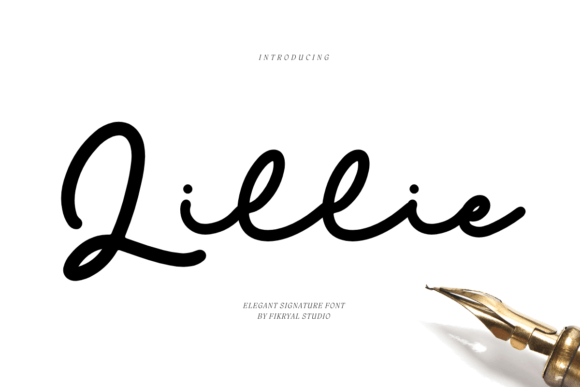
At its core, Lillie is a script font that walks the line between playful spontaneity and refined elegance. Its characters are crafted with a flowing, connected style that mimics natural handwriting, but with a consistency and polish that elevates it beyond a simple handwritten font. The letterforms have a gentle rhythm, with varying stroke widths that give it a dynamic, organic feel. This isn’t a rigid, formal script; it’s approachable yet sophisticated.
The visual appeal of Lillie lies in its details. You’ll notice subtle swashes on certain letters, adding a touch of flair without overwhelming the text. The overall spacing is balanced, ensuring that even as a display font, it remains legible when used thoughtfully. It has a warmth to it, a human touch that sterile, geometric typefaces often lack. This makes it an excellent choice for projects where you want to establish an immediate emotional connection with the viewer, whether that’s conveying luxury, creativity, or heartfelt sincerity.
Where Lillie Truly Shines: Practical Applications
The true test of any creative font is how it performs in real-world scenarios. Lillie is versatile, but it has particular strengths that make it a go-to for specific types of projects. Think of it as your secret weapon for adding that final, personal layer of polish.
Branding and Logo Design
For logo design, especially for brands that want to communicate authenticity and style, Lillie is a powerful asset. It works beautifully for boutique businesses, lifestyle brands, artisanal products, and personal blogs. Imagine it on a logo for a high-end bakery, a custom stationery studio, or a wellness coach’s brand mark. The font’s elegant flair immediately suggests a level of care and quality. It helps build a brand identity that feels curated and personal, which is incredibly valuable in a crowded market. Just remember, for logos, it’s often best used for the main wordmark or tagline, paired with a simpler sans serif font for supporting text to ensure clarity at small sizes.
Editorial and Packaging Design
In editorial design, such as magazine features, book covers, or blog headers, Lillie can set a compelling tone. It’s perfect for pull quotes, chapter titles, or feature article headings where you want to draw the reader’s eye and inject personality. Similarly, in packaging design, it can transform a product. Picture it on the label of a artisan candle, the sleeve of a gourmet coffee bag, or the gift tag on a luxury item. It communicates that the product inside is special, crafted with attention to detail. The font adds a layer of perceived value before the product is even experienced.
Digital Presence and Social Media
For web design and social media graphics, Lillie helps you stand out in a fast-scrolling environment. Use it for hero section headlines on a website to immediately capture attention, or for Instagram story text and Pinterest pins to create visually cohesive and engaging content. It’s a fantastic tool for creating promotional graphics for sales, new blog posts, or event announcements. The key is to use it sparingly for impact—a bold headline with Lillie paired with clean body text creates a beautiful visual hierarchy that guides the viewer’s eye effectively.
Making Lillie Work for Your Project: A Practical Guide
Choosing a premium font like Lillie is an investment, so it’s worth taking a moment to ensure it’s the right fit. Here’s how to approach it practically.
Evaluate the Fit: First, consider your project’s core message. Does it call for elegance, personality, and a human touch? If you’re designing for a corporate law firm or a tech startup aiming for a stark, minimalist look, Lillie might not be the primary choice. But for wedding invitations, lifestyle branding, creative portfolios, or boutique marketing, it’s often perfect.
Test Font Pairings: No font is an island. Lillie’s strength is amplified when paired well. A classic strategy is to combine this script font with a neutral, highly readable serif font or sans serif font. For example, use Lillie for a headline and pair it with a clean sans serif like Montserrat or Lato for body copy. This contrast creates balance and ensures your message is both beautiful and clear. Always test your pairings in context—see how they look together in a mock-up of your actual design.
Review Included Styles: Many commercial fonts come with more than one style. Check if Lillie includes alternates, swashes, or stylistic sets. These extras can give you more creative control, allowing you to customize the look to better suit your specific layout. Accessing these features usually requires software that supports OpenType, like Adobe Illustrator or Photoshop.
Mind the Readability: As a flowing script, Lillie is best used for short bursts of text—headlines, titles, logos, and callouts. Avoid using it for long paragraphs or small body copy, as the connected letterforms can become difficult to read in dense blocks. Its role is to attract and delight, not to convey large volumes of information.
Understand the License: Finally, always review the licensing terms of any font you purchase. Ensure the license covers your intended use, whether it’s for a personal blog, a client’s commercial project, or products for sale. Reputable font foundries are clear about this, giving you peace of mind as you build your design assets library.
Ultimately, Lillie is more than just a typeface; it’s a tool for storytelling. It allows you to infuse your projects with a sense of craftsmanship and style that resonates on a personal level. By understanding its personality and applying it thoughtfully, you can create designs that don’t just look good, but feel genuinely special.