Bluebell: A Refined Script for Modern Design
The Art of Elegant Communication
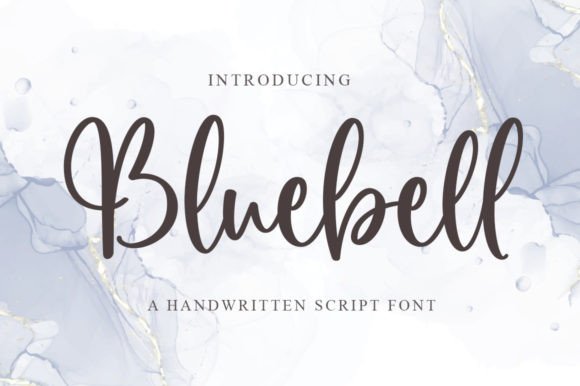
In the crowded landscape of digital and print design, finding a typeface that balances personality with professionalism is a constant challenge. Bluebell is a premium font that answers this need with quiet confidence. It’s a script font, but not the kind that feels overly casual or difficult to read. Instead, Bluebell presents a delicate and refined character. Its letterforms flow with a natural, handwritten rhythm, yet each curve and connection is crafted with precision. This creates a unique aesthetic: it feels personal and approachable, but also polished and intentional. The font’s personality is sophisticated, elegant, and quietly confident. It doesn’t shout for attention; it draws viewers in with its graceful details.
The true strength of Bluebell lies in its versatility. It includes stylish alternates and ligatures. These are not just decorative extras; they are essential tools for creating authentic, custom-looking typography. Alternates allow you to change the look of specific letters, preventing repetitive shapes in a word and adding a unique flair. Ligatures, where two or more letters are combined into a single, fluid glyph, create smoother connections and a more natural flow. For a designer, this means you can tailor the text to fit the exact mood of your project, whether it’s for a wedding invitation, a boutique logo, or a heartfelt social media quote.
Where Bluebell Truly Shines
Understanding a font’s ideal applications is key to using it effectively. Bluebell excels in projects where a human touch and a sense of care are paramount. In brand identity, it’s a powerful tool for businesses that want to convey elegance, craftsmanship, or personalized service. Think of a high-end bakery, a bespoke jewelry line, a floral studio, or a wellness brand. Using Bluebell in a logo design or on business cards immediately sets a tone of refined quality. It tells customers that attention to detail matters to the brand.
For editorial design and packaging design, this creative font adds a layer of sophistication. It works beautifully for pull quotes in magazines, chapter titles in books, or as the primary typeface for product names on luxury goods. Its legibility at larger sizes makes it a strong display font for headlines that need to feel both artistic and clear. In the digital realm, Bluebell can elevate social media graphics, website banners, and email newsletters. It helps break the monotony of standard sans serif font and serif font pairings, introducing a dynamic visual element that captures scrolling eyes.
Practical Guidance for Implementation
Choosing the right font is only half the battle; using it well is the other. When evaluating Bluebell for a project, consider its role in your visual hierarchy. It performs best as an accent or for key phrases rather than for long body text. Pairing it with a clean, neutral typeface is a classic strategy. A simple sans serif font for body copy allows Bluebell’s elegance to stand out without creating visual clutter. This contrast ensures readability while maintaining a cohesive brand identity.
Before finalizing your design, always test the font in context. View it at the sizes it will be used, both on screen and in print if applicable. Experiment with the included alternates and ligatures to see how they enhance specific words. Does the connection in “th” look natural? Does an alternate ‘g’ add the right flourish? This hands-on testing is part of the modern designer’s process. It’s also important to understand the licensing. Bluebell is a commercial font, and its PUA encoding means all its special characters are easily accessible in most design software. Always review the license to ensure it covers your intended use, whether for a personal blog or a commercial client project.
Ultimately, Bluebell is more than just a handwritten font. It is a versatile design asset that can influence how an audience perceives a message. Its consistency across a suite of materials—from a website to a printed brochure—builds recognition and professionalism. By choosing a font like Bluebell, you’re not just selecting letters; you’re choosing a voice. It’s a voice that speaks of care, elegance, and a thoughtful approach to design, making it a valuable tool in any creative professional’s toolkit.